Jewish Heritage Travel to Israel offers a profound connection to history and faith, which is dramatically heightened during the High Holidays (Yamim Noraim). To truly grasp the narrative of the Jewish people—from their ancient roots to the thriving modern state—travelers often choose comprehensive itineraries that weave together history, spirituality, and contemporary life.
The Gray Line Israel “Past to the Future – The Story of the Israeli State” tour is an excellent framework for this experience. This multi-day journey (typically 10-11 days) focuses specifically on the monumental journey from the ancient past to the modern State of Israel, making it a powerful backdrop for the themes of renewal and national destiny central to the High Holidays: Rosh Hashanah (the New Year) and Yom Kippur (the Day of Atonement).
The High Holidays and the “Past to the Future” Journey
The High Holiday season, which typically falls in September or October, transforms Israel. The entire nation engages in a period of intense reflection, repentance, and prayer. The “Past to the Future” tour captures the essence of this period by deliberately linking the Jewish people’s ancient covenants with their modern-day sovereignty.
1. The Spiritual Core: Jerusalem & the Ancient Past
The spiritual climax of the “Past to the Future” tour, and of the High Holidays, is Jerusalem.
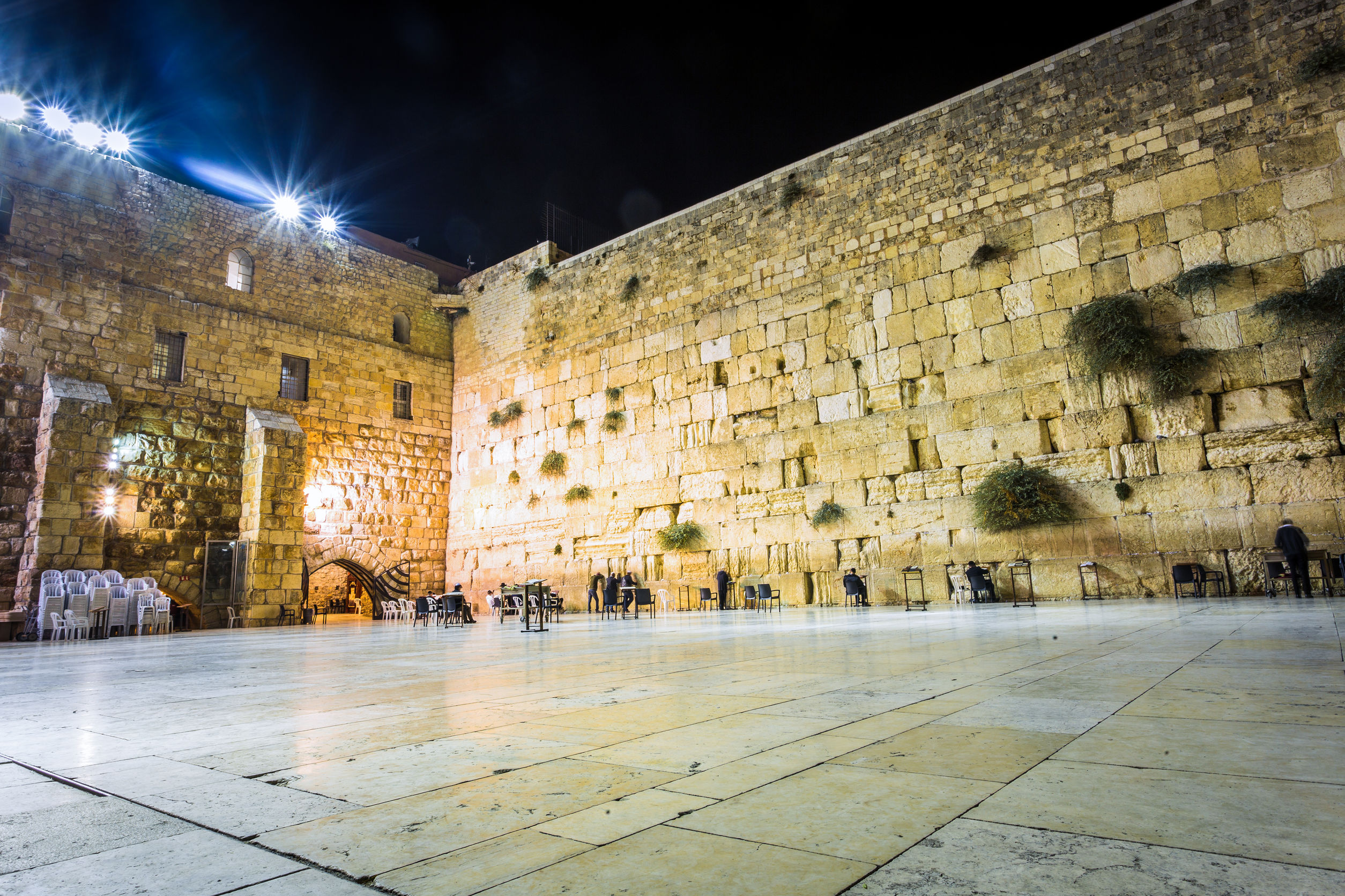
- Rosh Hashanah & Yom Kippur: The focus on repentance culminates in Yom Kippur, when the entire country fasts and prays. The tour ensures travelers visit the most significant site in Jewish Heritage: the Western Wall (Kotel). During the High Holidays, the plaza is intensely active with worshippers reciting Selichot (penitential prayers) leading up to the holidays, and quieted to a spiritual epicenter on Yom Kippur itself. The tour often includes a visit for Kabbalat Shabbat services at the Kotel, providing a deep, communal experience of Jewish life.
- Historical Depth: The tour’s exploration of the Old City’s Jewish Quarter, the Cardo, and the City of David—which traces the history of Jerusalem back to King David—provides the foundational heritage that informs the modern prayers of the High Holidays. Furthermore, the visit to the Israel Museum to view the Dead Sea Scrolls connects visitors directly to the ancient religious texts upon which the holidays are based.
2. The Modern Narrative: Tel Aviv & The Israeli State
Unique to the “Past to the Future” itinerary is its profound focus on the Zionist dream and the establishment of the State of Israel—a narrative of national redemption that perfectly complements the High Holiday themes of personal and collective renewal.
- Tel Aviv & Jaffa: The tour starts in Tel Aviv, celebrating its Bauhaus Architecture (a UNESCO site) and visiting Jaffa, the ancient port that served as Tel Aviv’s predecessor. It highlights modern sites like Independence Hall, where the State was declared—a powerful symbol of the “future” realized from the “past.”
- The Price of Sovereignty: Sites of national significance, particularly important during a time of national reckoning like the High Holidays, are central to this tour. These include Yad Vashem (the Holocaust Memorial), Mount Herzl Military Cemetery (graves of leaders and fallen soldiers), and the Knesset (Israel’s Parliament). These stops provide somber context, recognizing the enormous historical sacrifice that underpins the modern Jewish state.
3. Mysticism & Resilience: The North and the Dead Sea
The tour extends beyond Jerusalem and Tel Aviv to explore key intellectual and historic sites vital to the broader Jewish Heritage narrative.
- Safed (Tzfat): The ancient city of Kabbalah (Jewish Mysticism), which the tour visits, is a place of deep introspection. Kabbalistic themes are intricately woven into the liturgy of the High Holidays, and exploring the artists’ colony and ancient synagogues here adds a layer of spiritual depth to the journey.
- Tiberias & The Galilee: As one of Judaism’s four holy cities and a center of Jewish learning during the Mishnaic and Talmudic periods, Tiberias connects travelers to the intellectual tradition that codified Jewish law and practice, including the observances of the High Holidays.
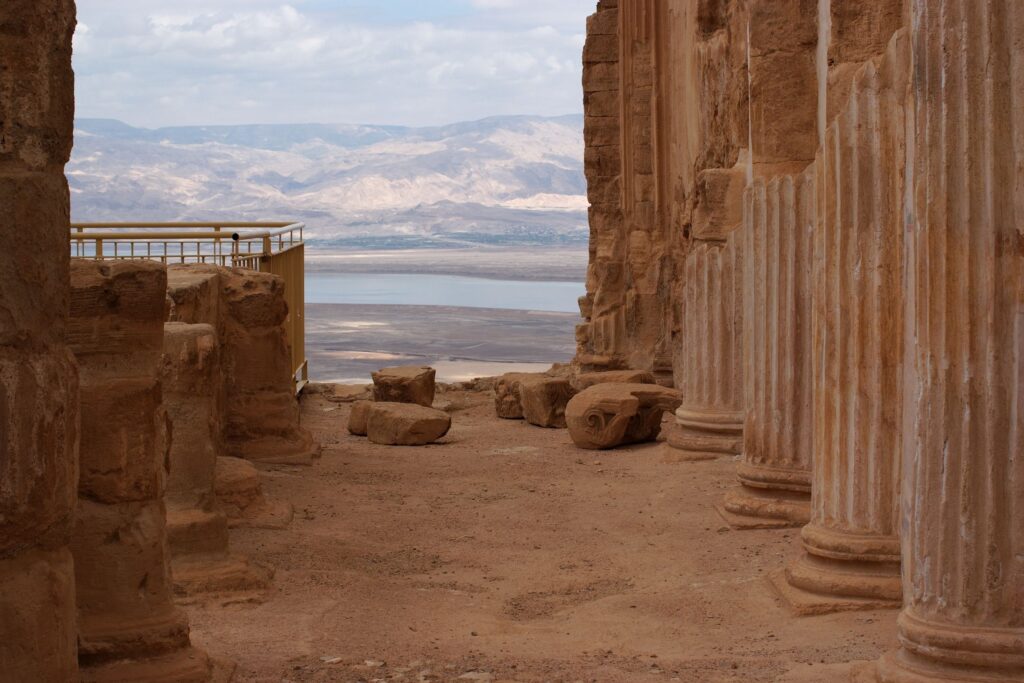
- Masada & Dead Sea: The optional excursion to Masada (the fortress of Jewish rebels) and the Dead Sea symbolizes enduring Jewish resistance and resilience—a powerful message of perseverance and hope fitting for the New Year.
Travel Advisory for the High Holidays on Tour
If your “Past to the Future” tour departure coincides with the High Holidays, note the following essential considerations:
- Yom Kippur Closures: This is a non-negotiable national shutdown. All public transport, including flights and local buses, ceases for over 24 hours. The tour itinerary will adjust to ensure travelers are settled in their hotel—likely in Jerusalem—for the entire day, with all services and meals pre-arranged.
- Rosh Hashanah and Sukkot: These are national holidays as well. While not as restrictive as Yom Kippur, most businesses are closed. The tour schedule will be adapted to focus on sites that can be visited or to utilize free time for self-guided exploration of neighborhoods (like Tel Aviv’s Neve Tzedek, a stop on the tour) to witness local holiday life.
- Tour Structure: The Gray Line Israel “Past to the Future” tour often features a day at leisure (free day) in Jerusalem or Tel Aviv on a Saturday. If this day coincides with one of the Yamim Noraim (e.g., Rosh Hashanah), it will become a day for private observance or quiet reflection, rather than structured touring.
Because holiday travel can involve busy dates and multiple sacred sites, Israel travel packages can help visitors plan a smoother and more structured experience.
This specific itinerary is designed to give a complete view of Jewish Heritage Travel, from the ancient prophets to the modern pioneers, providing a truly holistic experience when visiting Israel during the High Holidays.