The Dead Sea is one of the most remarkable natural destinations in the Middle East, attracting millions of visitors each year. For travelers researching whether a Dead Sea guided tour is worth it and whether it lives up to expectations, the answer is generally yes. A guided visit offers access not only to the famous mineral-rich waters but also to the historical, geographical, and cultural landmarks that make the region one of Israel’s most fascinating destinations.
Located at approximately 430 meters below sea level, the Dead Sea is the lowest exposed point on Earth. Its unique combination of dramatic desert landscapes, ancient history, therapeutic waters, and nearby archaeological sites creates an experience that extends far beyond a simple beach visit. Understanding what a guided tour includes can help travelers determine whether joining an organized excursion is the best way to experience the area.
Is a Dead Sea Guided Tour Worth It for First-Time Visitors?
Yes, a Dead Sea guided tour is a particularly valuable experience for first-time visitors because it combines transportation, historical context, and efficient sightseeing into a single itinerary.
The Dead Sea region is geographically isolated from Israel’s major cities. Reaching it independently often requires careful planning, especially for travelers unfamiliar with local transportation options. Guided tours simplify logistics while providing expert commentary about the area’s unique geological formation, environmental challenges, and historical significance.
Many organized tours also include additional attractions such as Masada, allowing visitors to experience multiple highlights in a single day – Masada and Dead Sea day tour from Jerusalem
This combination often provides greater value than arranging separate visits independently.
What Makes the Dead Sea So Unique?
The Dead Sea is unique because it is one of the saltiest bodies of water in the world and contains exceptionally high concentrations of minerals.
Its salinity level is nearly ten times higher than that of most oceans. This density allows visitors to float effortlessly on the water’s surface, creating one of the most distinctive travel experiences anywhere in the world.
The surrounding landscape is equally impressive. Situated within the Judean Desert, the region features rugged mountains, dramatic cliffs, and expansive desert vistas. The contrast between the deep blue waters and the golden desert creates extraordinary scenery that appeals to photographers and nature enthusiasts alike.
The area also holds significant scientific importance. Researchers continue studying the Dead Sea’s mineral composition and its environmental changes, including the ongoing decline in water levels.
What Attractions Are Usually Included in a Dead Sea Guided Tour?
Most guided tours include much more than a visit to the shoreline.
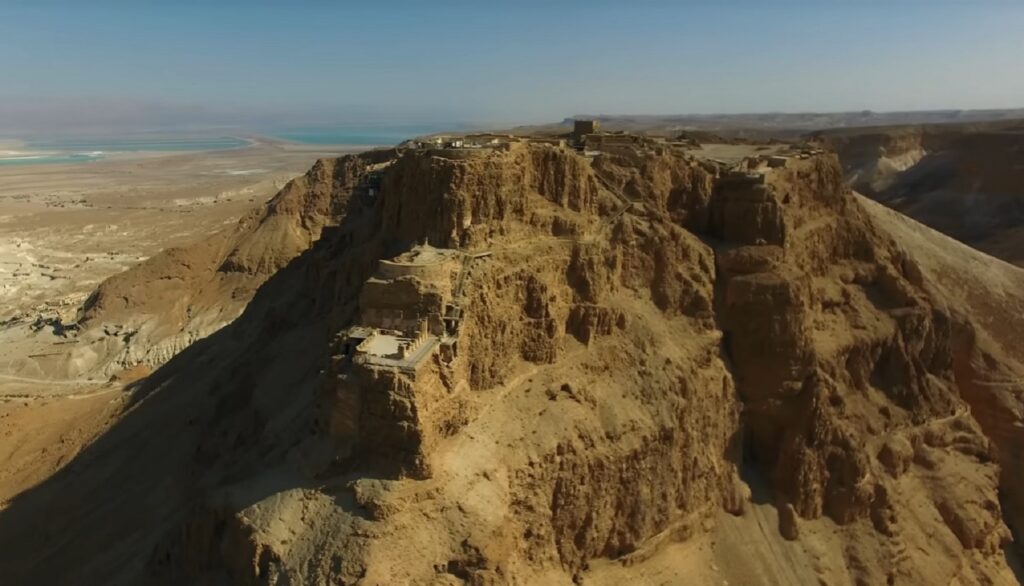
A common itinerary combines the Dead Sea with nearby historical and cultural sites. One of the most popular options is a visit to Masada, the ancient desert fortress built by King Herod and later known for the dramatic Jewish revolt against Roman rule.
Visitors interested in combining history and relaxation often choose a tour such as the Masada and Dead Sea day tour from Jerusalem, which provides access to two of Israel’s most iconic attractions in a single day.
Longer itineraries may also include Jerusalem. Travelers seeking a broader introduction to Israel frequently select a program similar to the Jerusalem and Dead Sea city break, which combines cultural, religious, and natural highlights.
Is Visiting the Dead Sea Independently Better Than Taking a Tour?
For most short-term visitors, a guided tour is often the more practical option.
Independent travel offers flexibility but requires arranging transportation, entrance fees, and scheduling. Public transportation options to certain Dead Sea beaches and attractions can be limited, particularly for travelers with tight itineraries.
Guided tours eliminate much of the planning process and often maximize sightseeing time. Professional guides also provide context that many visitors would otherwise miss, including explanations of ancient trade routes, biblical references, and the environmental challenges facing the Dead Sea today.
However, travelers seeking a resort-focused experience with several days dedicated solely to relaxation may prefer independent travel and overnight accommodation in one of the area’s hotels.
How Much Time Is Needed at the Dead Sea?
A full day is usually sufficient for most visitors to enjoy the main highlights.
Many travelers spend between one and three hours at the shoreline itself. Floating in the water, applying mineral-rich mud, and enjoying the unique environment typically require less time than many first-time visitors expect.
The value of a guided excursion comes from combining the Dead Sea with nearby attractions. A full-day itinerary can include transportation, sightseeing, historical exploration, and leisure time at the beach without feeling rushed.
Visitors staying longer in the region may choose to explore additional sites such as Ein Gedi Nature Reserve, known for its waterfalls, wildlife, and desert hiking trails.
What Should Travelers Know Before Visiting the Dead Sea?
Preparation significantly improves the overall experience.
The intense desert climate means temperatures can become extremely high, particularly during summer. Lightweight clothing, sun protection, and adequate hydration are essential throughout the year.
Visitors should avoid shaving immediately before entering the water because the high salt concentration can cause irritation. Likewise, it is advisable to avoid splashing water onto the face or into the eyes.
Waterproof footwear can also be helpful because salt crystals and shoreline rocks may be uncomfortable underfoot.
Most guided tours provide clear instructions regarding safety and comfort, helping visitors avoid common mistakes.
Is the Historical Significance of the Region Worth Exploring?
Absolutely. The Dead Sea region contains some of the most important historical sites in Israel.
Masada stands as a symbol of resilience and national identity. The mountain fortress overlooks the Dead Sea and offers spectacular panoramic views of the surrounding desert.
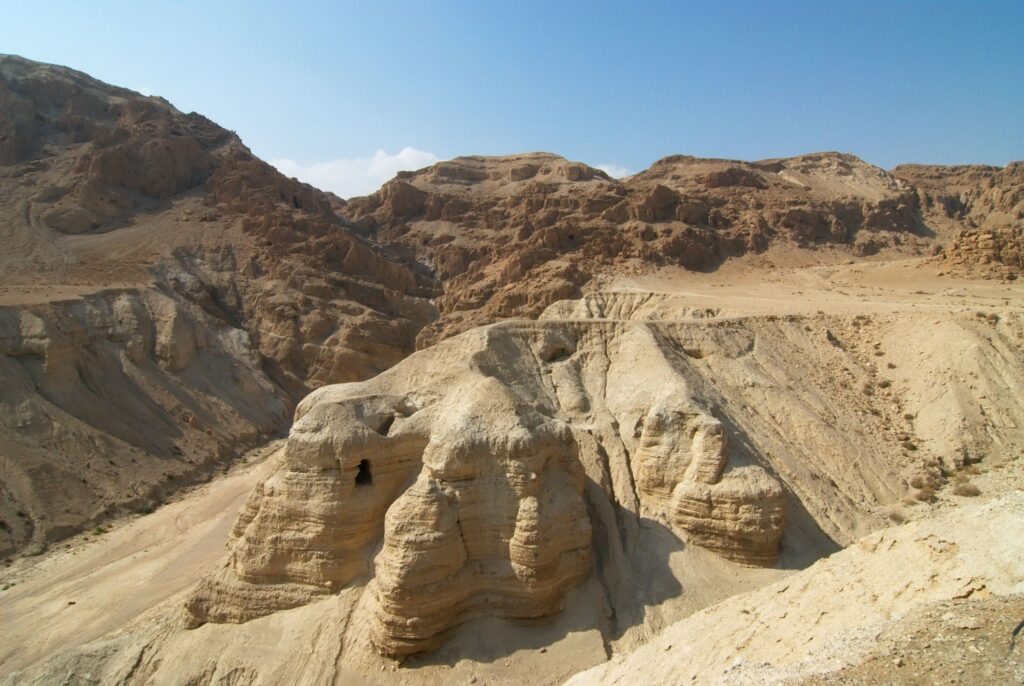
Nearby caves yielded the famous Dead Sea Scrolls, among the most significant archaeological discoveries of the twentieth century. These ancient manuscripts transformed scholarly understanding of Jewish history and biblical texts.
The area’s historical importance extends across thousands of years, connecting biblical narratives, ancient civilizations, Roman history, and modern archaeology.
For many travelers, these cultural dimensions add substantial value to a guided experience.
What Value Does a Guided Tour Provide Compared to Self-Guided Exploration?
A guided tour provides convenience, expert knowledge, and efficient access to multiple attractions.
Professional guides help visitors understand the broader significance of the landscapes they encounter. Rather than viewing the Dead Sea simply as a place to float, travelers gain insight into its geological formation, environmental challenges, historical role, and cultural importance.
Transportation is another major advantage. Organized tours typically use comfortable vehicles and carefully planned schedules that minimize travel-related stress.
For visitors with limited time in Israel, combining transportation, historical interpretation, and attraction access often makes a guided tour the most efficient choice.
Conclusion
For most travelers, the answer to the question “is a Dead Sea guided tour worth it?” is yes. The combination of natural wonder, ancient history, unique geography, and practical convenience makes a guided visit highly rewarding.
The Dead Sea offers far more than a chance to float in exceptionally salty water. It provides an opportunity to experience one of the world’s most unusual landscapes while learning about thousands of years of history and culture.
Guided tours simplify transportation and planning while enhancing understanding of the region’s significance. Whether combined with Masada, Jerusalem, or other nearby attractions, a well-organized excursion allows visitors to make the most of their time.
For first-time visitors to Israel, a Dead Sea guided tour often becomes one of the most memorable experiences of the entire trip.
Frequently Asked Questions
Is it possible to swim normally in the Dead Sea?
No, normal swimming is not recommended in the Dead Sea. The extremely high salt concentration creates strong buoyancy, causing people to float naturally on the surface. Visitors typically recline and float rather than swim conventionally.
What is the best season to visit the Dead Sea?
Spring and autumn are generally considered the most comfortable seasons. Temperatures are pleasant, making sightseeing and outdoor activities more enjoyable. Summer can be extremely hot, while winter temperatures are milder but occasionally accompanied by rain.
How long does a typical Dead Sea guided tour last?
Most day tours last between 10 and 12 hours, depending on departure location and included attractions. Tours that combine Masada and the Dead Sea usually occupy a full day. Multi-day itineraries may include additional destinations and overnight stays.
Is the Dead Sea suitable for travelers interested in history?
Yes, the region is exceptionally rich in historical significance. Nearby attractions such as Masada and the caves associated with the Dead Sea Scrolls provide important archaeological and cultural insights. Many visitors find the historical aspects as memorable as the natural experience itself.