Discover essential Israel travel tips for first-time visitors, including when to visit, transportation, costs, cultural etiquette, safety, and itinerary planning for a memorable trip.
Israel Travel Tips for First-Time Visitors
Planning a first journey to Israel is far easier with the right preparation. The best Israel travel tips combine practical planning with an understanding of the country’s geography, history, and cultural diversity. Although Israel is relatively small, it offers an extraordinary variety of experiences, from Mediterranean beaches and vibrant cities to ancient archaeological sites, religious landmarks, dramatic deserts, and nature reserves. Careful planning allows visitors to experience far more than its size might suggest.
First-time visitors who want a simpler way to plan routes, timing and logistics can compare guided tours in Israel before building their itinerary.
Israel welcomes millions of international visitors every year who travel for religious pilgrimages, historical exploration, cultural experiences, culinary discoveries, and outdoor adventures. Understanding transportation, local customs, budgeting, seasonal weather, and regional differences helps create a smoother and more rewarding travel experience.
Israel Travel Tips: What Should First-Time Visitors Know Before Arriving?
The most important preparation is understanding that Israel is compact, diverse, and easy to explore with thoughtful planning.
Many first-time visitors are surprised by how quickly landscapes change. A single journey can begin along the Mediterranean coastline, continue through historic cities, cross fertile valleys, and end beside the unique landscapes of the Dead Sea or the Negev Desert within only a few hours.
Before travelling, visitors should consider several practical essentials:
- Ensure passports remain valid for at least six months beyond the planned departure date.
- Check current visa requirements according to nationality.
- Purchase comprehensive travel insurance covering medical treatment and trip interruptions.
- Carry both credit cards and some Israeli Shekels (ILS), as smaller businesses may occasionally prefer cash.
- Download offline maps and transport applications before arrival.
Israel’s official languages are Hebrew and Arabic, while English is widely spoken in hotels, tourist attractions, restaurants, airports, and most visitor services. Communication is rarely difficult for international travellers.
The country’s relatively short travel distances make multi-destination itineraries practical. It is entirely possible to experience Tel Aviv’s beaches, Jerusalem’s Old City, the Galilee region, and the Dead Sea during a single week.
For travelers who prefer to organize transportation, guiding and key stops in advance, Israel travel packages can make a first visit much easier to manage.
When Is the Best Time to Visit Israel?
The best time depends on travel priorities, although spring and autumn generally offer the most comfortable weather.
Spring, particularly March through May, combines pleasant temperatures with green landscapes and seasonal wildflowers. Hiking conditions are excellent, while sightseeing remains comfortable throughout most regions.
Autumn, especially September through November, offers similarly enjoyable weather after the summer heat has eased. Sea temperatures remain warm enough for swimming along the Mediterranean coast.
Summer brings hot, dry conditions that regularly exceed 30°C across much of the country, with even higher temperatures around the Dead Sea and Eilat. Early morning sightseeing and indoor attractions become more comfortable during this season.
Winter is relatively mild compared with much of Europe. Coastal cities remain moderate, while Jerusalem occasionally experiences cold temperatures and, in rare years, snowfall. Northern regions receive more rainfall, making landscapes particularly green.
Travellers should also note that major Jewish holidays can significantly affect transportation schedules, accommodation availability, and business opening hours. Planning around these dates helps avoid unexpected disruptions.
How Many Days Are Enough for a First Visit?
A stay of seven to ten days provides enough time to experience Israel’s major highlights without rushing.
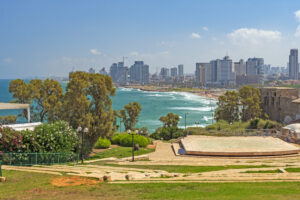
A typical itinerary often begins in Tel Aviv, allowing time to enjoy its beaches, museums, nightlife, and the historic streets of Jaffa. From there, visitors often continue on to Jerusalem, where several days allow time to explore the Old City, its religious sites, museums, and nearby attractions.
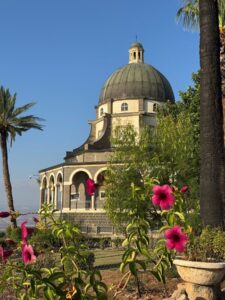
Northern Israel offers a completely different atmosphere. The Sea of Galilee, Nazareth, the Golan Heights, and numerous national parks introduce visitors to biblical history alongside scenic landscapes and wineries.
Southern Israel adds another dimension through the dramatic Judean Desert, Masada, and the Dead Sea, where visitors experience one of the world’s most unique natural environments.
Travellers with limited time can still enjoy meaningful experiences by joining professionally organised day tours. Rather than navigating unfamiliar transport systems, guided excursions maximise sightseeing time while providing historical and cultural context. Gray Line Israel offers a range of organised experiences, including its Jerusalem and Dead Sea City Break tour, allowing visitors to combine two of Israel’s most iconic destinations in a single well-planned itinerary.
Is It Better to Rent a Car or Use Public Transportation?
For most first-time visitors, public transportation and organised tours provide the easiest combination.
Israel’s rail network efficiently connects Tel Aviv, Jerusalem, Haifa, Acre, Be’er Sheva, and Ben Gurion Airport. Modern trains are comfortable, affordable, and reliable for intercity travel.
Extensive bus networks reach destinations not served by rail, although routes may initially appear complex for international visitors unfamiliar with local systems.
Car rental becomes particularly useful for travellers wishing to explore remote areas of the Galilee, Golan Heights, or Negev Desert at their own pace. However, driving in central Tel Aviv and Jerusalem can involve heavy traffic, limited parking, and unfamiliar road layouts.
Many visitors find that combining trains for major cities with professionally guided day tours creates the most efficient itinerary. Guided excursions provide transportation, expert commentary, and simplified access to complex historical sites while reducing planning time.
What Budget Should First-Time Visitors Expect?
Israel is generally more expensive than many destinations in the Mediterranean, but careful planning can help manage travel costs effectively.
Accommodation is usually the largest expense. Luxury hotels are widely available, while boutique hotels, guesthouses, and apartments offer more affordable alternatives. Booking well in advance often provides better rates, particularly during peak travel periods and holidays.
Dining costs vary considerably. Local bakeries, street food stalls, and markets provide excellent value, while high-end restaurants in cities such as Tel Aviv and Jerusalem command premium prices. Popular local dishes, including falafel, hummus, shawarma, and sabich, allow visitors to experience authentic Israeli cuisine without overspending.
Entrance fees should also be included in travel budgets. Many of Israel’s most important archaeological sites, museums, and national parks require admission, although combination tickets are available for some attractions.
Using public transportation between major cities, together with organised sightseeing tours, often reduces overall travel expenses while simplifying logistics.
What Cultural Customs Should Visitors Be Aware Of?
Respect for local customs enhances the travel experience and helps visitors appreciate Israel’s remarkable cultural diversity.
Israel is home to Jewish, Muslim, Christian, Druze, and many other communities, each contributing to the country’s unique cultural landscape. Dress expectations vary depending on location. Casual clothing is appropriate in most cities and coastal areas, while modest attire is recommended when visiting religious sites. Covering shoulders and knees is generally expected in churches, synagogues, and many sacred locations.
The Jewish Sabbath, from Friday evening until Saturday evening, affects public life throughout much of the country. Public transportation is limited in many areas during this period, although taxis and some local services continue operating. Restaurants, attractions, and shops may also have reduced opening hours.
Hospitality is deeply rooted in Israeli culture, and conversations with locals often become friendly and informal. Visitors frequently discover that recommendations from residents lead to memorable cafés, viewpoints, or lesser-known attractions.
How Safe Is Israel for Tourists?
Israel is one of the world’s most closely monitored tourist destinations, and millions of international visitors travel throughout the country each year.
Security procedures are more visible than in many countries, particularly at airports, shopping centres, transportation hubs, and major attractions. These measures are a routine part of daily life and are designed to protect residents and visitors alike.
Travellers should remain informed through official travel advisories before departure and during their visit. As with travel anywhere, awareness of surroundings, safeguarding personal belongings, and following local guidance contribute to a safe experience.
Many first-time visitors are surprised by how everyday life feels in Israel. Restaurants, beaches, museums, markets, and cultural events remain vibrant, reflecting the country’s active daily routine.
Why Is Joining a Guided Tour Worth Considering?
For many first-time visitors, guided tours provide the most efficient way to understand Israel’s history, geography, and cultural significance.
Israel contains thousands of years of layered history, and many archaeological sites include remains from multiple civilizations. Without expert interpretation, visitors may miss much of the historical context that makes these places remarkable.
Professional guides explain religious traditions, historical events, archaeological discoveries, and regional geography while handling transportation, timing, and logistics. This allows visitors to focus on the experience rather than navigation.
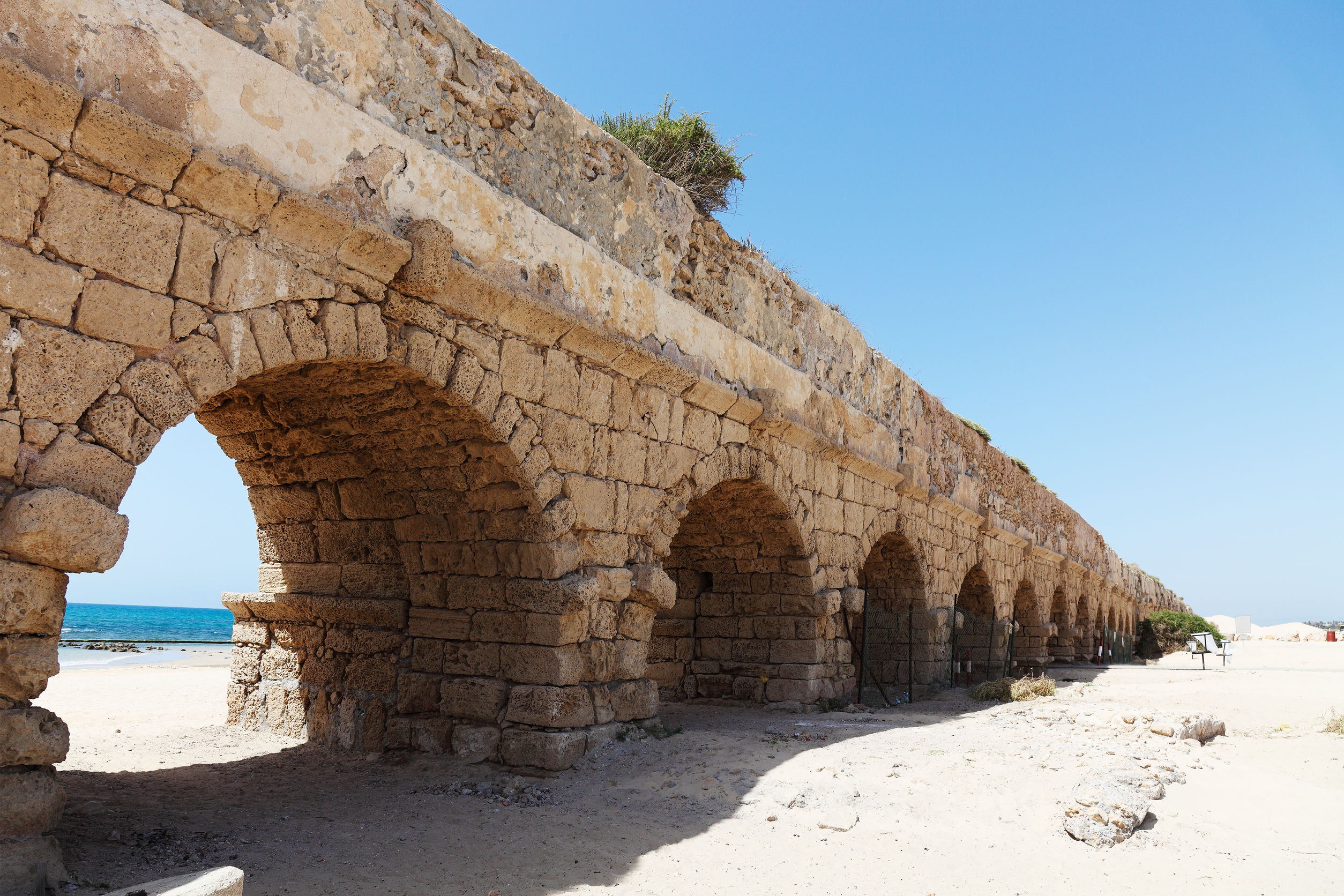
Guided tours are especially valuable for destinations such as Jerusalem, Masada, Caesarea, Nazareth, and the Dead Sea, where historical interpretation greatly enriches the visit. For travellers wishing to combine several iconic attractions efficiently, Gray Line Israel offers professionally organised excursions such as the Masada and Dead Sea day tour, helping visitors experience two UNESCO-recognised highlights in a single day.

Conclusion
The best Israel travel tips combine thoughtful planning with flexibility and curiosity. Although Israel covers a relatively small area, its extraordinary diversity allows visitors to experience ancient history, vibrant cities, spectacular landscapes, and rich cultural traditions within a single journey.
Understanding seasonal weather, transportation options, budgeting, local customs, and regional differences enables first-time visitors to travel with greater confidence and make informed decisions throughout their stay.
Whether exploring Jerusalem’s historic streets, relaxing beside the Mediterranean, hiking through desert landscapes, or visiting biblical sites in the Galilee, careful preparation creates opportunities for deeper and more rewarding experiences.
With realistic planning and reliable local guidance, a first visit to Israel often becomes the beginning of many future journeys.
Frequently Asked Questions
Is English widely spoken in Israel?
Yes. English is commonly spoken throughout Israel, particularly in hotels, restaurants, tourist attractions, airports, and transportation hubs. Most visitors can travel comfortably without speaking Hebrew, although learning a few basic Hebrew greetings is always appreciated.
What is the best way to travel between Israel’s main attractions?
Trains, buses, rental cars, and organised tours all provide practical options depending on the itinerary. Many first-time visitors combine public transportation for city travel with guided day tours for destinations where historical context and transportation logistics are more complex.
Should visitors carry cash in Israel?
Credit and debit cards are accepted almost everywhere, including restaurants, shops, hotels, and attractions. However, carrying a small amount of Israeli Shekels is useful for markets, smaller businesses, taxis, or situations where electronic payment may not be available.
How much time should first-time visitors spend in Jerusalem?
Most travellers benefit from spending at least two or three full days in Jerusalem. This allows enough time to explore the Old City, major religious sites, museums, nearby viewpoints, and local markets without rushing through one of the world’s most historically significant cities.
Is Israel suitable for independent travellers?
Yes. Israel has a well-developed tourism infrastructure, excellent transportation between major cities, and a wide range of accommodation options. Independent travellers can easily plan their own itinerary while also choosing guided excursions for destinations where local expertise adds significant value.