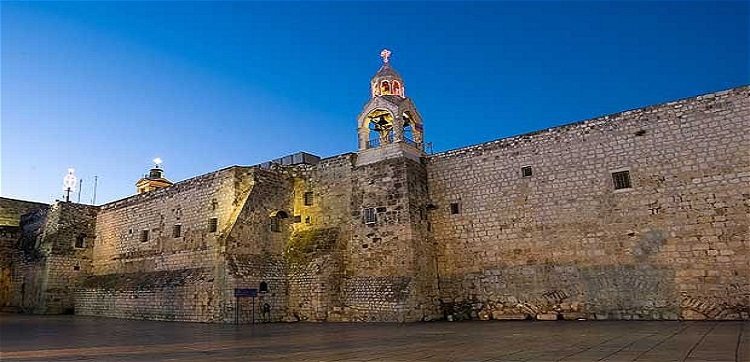
Bethlehem holds a unique place in world history and spirituality. Known as the birthplace of Jesus Christ, this ancient city in the West Bank has drawn pilgrims, history enthusiasts, and cultural travelers for centuries. Its sacred sites, traditions, and vibrant local life make it one of the most meaningful destinations in the Middle East. In 2026, Bethlehem continues to captivate visitors with its timeless heritage and deep significance in Christian history.
Why Visit Bethlehem in 2026?
Bethlehem’s global significance stems from its role in the Christian story as the birthplace of Jesus Christ. The city’s most iconic landmark is the Church of the Nativity, a UNESCO World Heritage site that stands over the grotto traditionally believed to be where Jesus was born. Its ancient mosaics and towering stone walls reveal layers of history and devotion.
Beyond its spiritual appeal, Bethlehem’s lively markets, local cuisine, and community life offer a window into modern Palestinian culture and heritage. Whether the purpose is pilgrimage, historical interest, or cultural exploration, Bethlehem remains a must‑visit destination in 2026.
Many travelers combine Bethlehem with guided tours in Jerusalem to understand the wider religious and historical context of the region.
When is the Best Time to Visit Bethlehem?
Bethlehem experiences a Mediterranean climate with warm, dry summers and mild, wetter winters. Spring (April to June) and autumn (September to November) are generally considered the most comfortable times to visit. These seasons offer moderate weather and ideal conditions for walking tours and sightseeing.
Winter months are cooler with occasional rain, and summer brings higher temperatures that can make outdoor exploration more challenging. Major church festivals, especially around Christmas and Easter, attract large numbers of pilgrims and create a festive atmosphere throughout the city.
What Should Travelers Know Before Visiting Bethlehem?
Bethlehem is located in the Palestinian territories of the West Bank, roughly 10 kilometers south of Jerusalem. Travel between Jerusalem and Bethlehem typically involves passing through checkpoints, so planning ahead for transit procedures can make the journey smoother. Respecting local traditions and dress codes is also important, particularly at religious sites where modest attire is often expected.
Practical concerns such as language, safety, and navigation are often managed more easily when part of an organized tour. Tours provide structured itineraries, professional guides, and reliable transport that allow participants to focus on the experience rather than logistics.
Top Attractions in Bethlehem
Church of the Nativity
The Church of the Nativity is Bethlehem’s most renowned landmark. Built over the grotto believed to be the birthplace of Jesus, this ancient basilica is an emotional highlight for many visitors. Its art and architecture reflect centuries of devotion and faith.
The Church is one of the oldest churches in the world. Pass through the Door of Humility – a low entrance that forces all who enter to bow in humility – and then arrive at the cave where the moment that changed history took place. A 14-pointed silver star marks the exact spot of the birth, and around it, prayers are heard in Latin, Greek and other languages.
Manger Square
Manger Square serves as the social and spiritual heart of Bethlehem. Bordering the Church of the Nativity, it hosts celebrations and events throughout the year and provides a central gathering place for locals and visitors alike.
Chapel of the Milk Grotto
Situated just outside the historic center, the Milk Grotto Chapel is a serene space associated with the Holy Family’s early life. Its pale stones and quiet atmosphere draw those seeking reflection and peace.
Shepherds’ Field
In nearby Beit Sahour, Shepherds’ Field commemorates the announcement of Jesus’ birth to the shepherds. The site features a chapel surrounded by pastoral landscapes that evoke the biblical narrative.
Are Organized Tours Worth It?
Organized tours are a valuable way to explore Bethlehem and the broader Holy Land with ease and insight. They provide structured transport, expert guides, and curated itineraries that ensure smooth visits to key sites.
One popular option is the Jerusalem & Bethlehem Day Tour. This daily tour combines visits to Jerusalem’s historic treasures with Bethlehem’s sacred sites, offering convenience and expert commentary that enrich the experience.
For travelers interested in a more immersive journey, the Bibleland Tour is a multi‑day guided experience. This 7‑night tour covers classical biblical sites and cultural highlights across Israel, including Jerusalem, Bethlehem, Nazareth, Tiberias, and the Galilee, with expert guides and included accommodations. It blends historical context with spiritual significance, making it ideal for those seeking a deeper understanding of the region’s heritage.
Practical Travel Tips for Bethlehem Visits
Visitors benefit from thoughtful preparation before exploring Bethlehem and its surroundings.
Documentation: Carry valid identification at all times, particularly when crossing checkpoints between Jerusalem and the West Bank.
Dress Code: Modest clothing is recommended inside churches and sacred sites.
Comfortable Footwear: Historic cobblestone streets and walking distances make sturdy shoes advisable.
Guided Tours: Participating in organized tours like those with Gray Line Israel enhances convenience, safety, and historical insight throughout the trip.
Cultural Awareness: Learning a few basic phrases and customs can help foster positive interactions with local residents.
In Summary
Bethlehem in 2026 continues to be a destination rich in spiritual meaning, historical depth, and cultural vibrancy. Its iconic sites such as the Church of the Nativity, Manger Square, and surrounding chapels reveal centuries of tradition and devotion. Whether visiting as part of a daily excursion or a multi‑day pilgrimage like the Bibleland Tour offered by Gray Line Israel, travelers benefit from expert guidance, organized logistics, and meaningful context. These tours provide a structured and enriching way to explore the birthplace of Christ and the broader tapestry of the Holy Land.