Planning a 3-day trip to Israel can be surprisingly rewarding when the itinerary is carefully structured. Although Israel is a relatively small country geographically, it offers an exceptional concentration of historical landmarks, religious sites, cultural experiences, natural wonders, and modern cities within short travel distances. A well-planned short visit can include Jerusalem, the Dead Sea, Masada, and even neighboring Jordan, depending on travel priorities and logistics.
For travelers with limited time, understanding which destinations provide the greatest value is essential. The key is balancing sightseeing, travel time, and personal interests while focusing on the highlights that make Israel one of the world’s most fascinating destinations.
Is a 3 Day Trip to Israel Enough to See the Main Highlights?
Yes, a 3-day trip to Israel is enough to experience several of the country’s most significant attractions if the itinerary is carefully organized.
Israel’s compact size makes it possible to travel between major destinations relatively quickly. Jerusalem, Tel Aviv, the Dead Sea, Masada, Bethlehem, and parts of northern Israel can all be reached within a few hours of each other.
Rather than attempting to cover the entire country, most short-term visitors focus on one region or combine two complementary areas. This approach minimizes travel fatigue and allows more time for meaningful exploration.
Travelers interested in biblical history, archaeology, and religious heritage often prioritize Jerusalem and Bethlehem. Those seeking natural landscapes and unique experiences frequently include the Dead Sea and Masada.
Which Itinerary Works Best for a Short Visit?
The best itinerary depends on whether the visitor is arriving specifically for a short vacation or is already traveling in the region.
Option 1: Classic Israel Highlights in Four Days
One of the most efficient ways to experience Israel’s iconic attractions is through a route that combines Jerusalem, Bethlehem, Masada, and the Dead Sea.
This itinerary typically includes:
- Exploring Jerusalem’s Old City
- Visiting the Western Wall
- Walking the Via Dolorosa
- Touring the Church of the Holy Sepulchre
- Visiting Bethlehem and the Church of the Nativity
- Experiencing Masada’s ancient fortress
- Floating in the Dead Sea
This type of journey is reflected in Gray Line Israel’s comprehensive Jerusalem and Dead Sea City Break itinerary, which combines many of Israel’s most famous sites into a manageable short stay.
The advantage of this route is that it provides a balanced introduction to Israel’s religious, historical, and natural attractions.

Option 2: Israel and Jordan Combined
For travelers seeking a broader regional experience, a short trip can also include both Israel and Jordan.
A combined itinerary may feature:
- Jerusalem’s major religious landmarks
- Bethlehem
- Masada The Dead Sea
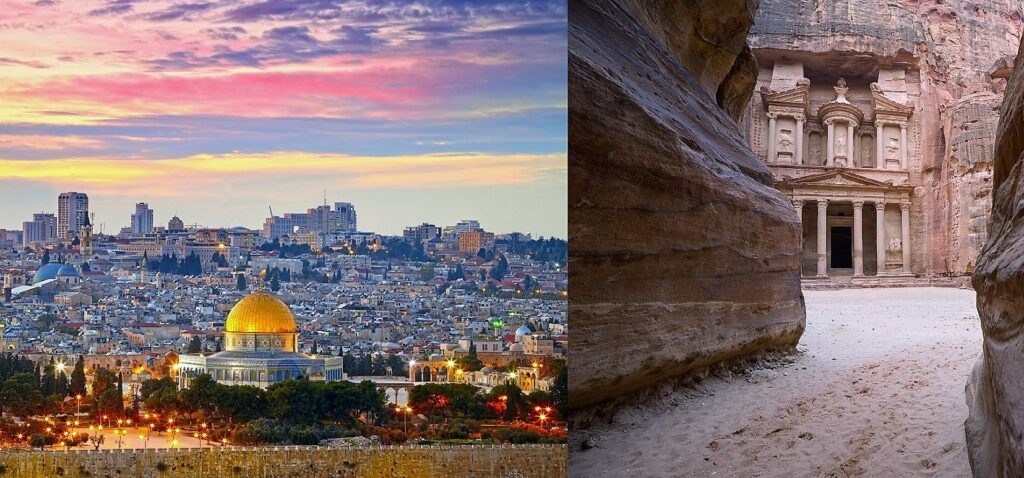
- Petra, Amman, Jerash and Mount Nebo in Jordan
Gray Line Israel also offers an Israel and Jordan City Break that demonstrates how both countries can be explored efficiently within a limited timeframe:
This option appeals particularly to visitors interested in maximizing cultural diversity during a short Middle East visit.
What Should Be Prioritized During a 3–4 Day Visit?
The most important sites to prioritize are Jerusalem, the Dead Sea, and Masada because they represent distinct aspects of Israel’s heritage and geography.
Jerusalem
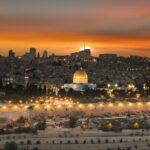
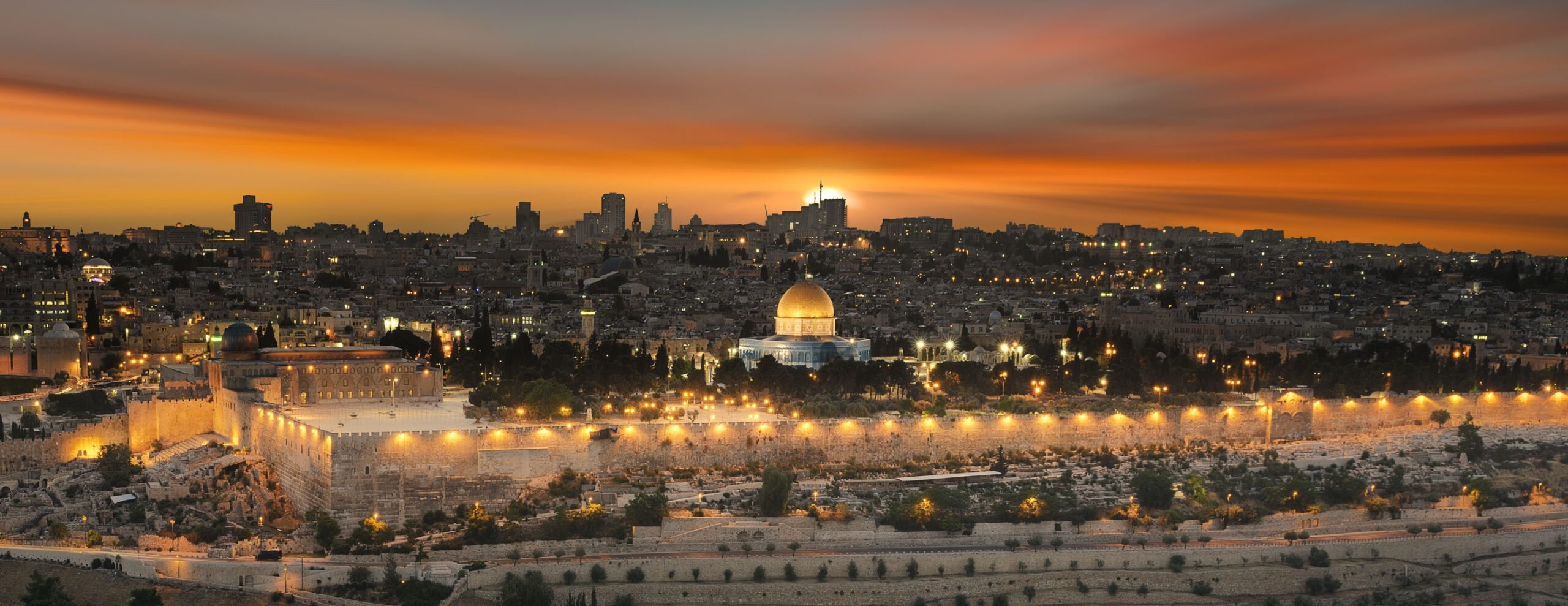
Jerusalem is one of the oldest continuously inhabited cities in the world. It holds immense significance for Judaism, Christianity, and Islam.
Key highlights include:
- The Western Wall
- The Temple Mount area
- The Church of the Holy Sepulchre
- The Mount of Olives
- The Jewish Quarter
- The Christian Quarter
The city’s layered history spans thousands of years, offering visitors an unparalleled cultural and spiritual experience.
The Dead Sea
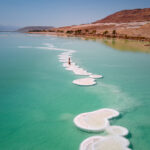
Located approximately 430 meters below sea level, the Dead Sea is the lowest exposed point on Earth.
Its mineral-rich waters create extraordinary buoyancy, allowing visitors to float effortlessly. The region also offers dramatic desert scenery and unique geological formations.
Masada
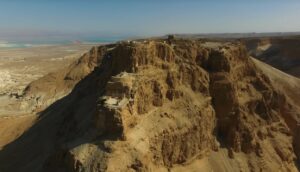
Masada is an ancient desert fortress overlooking the Dead Sea.
Built by King Herod during the first century BCE, it later became the site of one of the most significant events in Jewish history during the Roman siege. Today, visitors can explore remarkably preserved ruins while enjoying panoramic desert views.
How Much Travel Time Is Required Between Destinations?
Travel times in Israel are shorter than many first-time visitors expect.
Approximate driving times include:
| Route | Travel Time |
| Tel Aviv to Jerusalem | 45–60 minutes |
| Jerusalem to Dead Sea | 1 hour |
| Jerusalem to Masada | 1.5 hours |
| Tel Aviv to Haifa | 1.5 hours |
| Jerusalem to Bethlehem | 20–30 minutes |
Because distances are relatively short, organized tours often make it possible to visit multiple major attractions in a single day.
For short visits, guided tours frequently reduce logistical challenges by coordinating transportation, entry arrangements, and scheduling.
Is It Better to Join a Guided Tour or Travel Independently?
For a short visit, guided travel is often the most time-efficient option.
Independent travel offers flexibility, but it also requires planning transportation, navigating unfamiliar roads, arranging admissions, and managing schedules.
Guided tours can provide:
- Historical context from professional guides
- Efficient transportation
- Optimized daily itineraries
- Access to multiple attractions in one day
- Simplified border procedures if visiting Jordan
This becomes particularly valuable when only three or four days are available.
For first-time visitors, the educational value provided by experienced guides often enhances the overall experience significantly.
What Is the Typical Cost of a Short Trip to Israel?
The cost of a short visit varies according to travel style, accommodation level, and season.
Typical daily expenses may include:
Accommodation
- Budget hotels: $80–120 per night
- Mid-range hotels: $150–250 per night
- Premium hotels: $300+ per night
Meals
- Casual dining: $10–20 per meal
- Mid-range restaurants: $20–40 per meal

Transportation
- Public transportation is relatively affordable.
- Organized tours often provide better value when multiple destinations are involved.
Peak travel seasons generally occur during spring and autumn, when weather conditions are most comfortable for sightseeing.
When Is the Best Time to Visit Israel for a Short Trip?
Spring and autumn are generally considered the best seasons for a short visit.
Between March and May, temperatures are pleasant across most regions. Wildflowers bloom throughout the countryside, and visibility is often excellent.
September through November also provides comfortable conditions, particularly for exploring Jerusalem, Masada, and the Dead Sea.
Summer can be extremely hot in desert regions, while winter occasionally brings rain to central and northern Israel.
Visitors planning to include outdoor attractions often find that spring and autumn offer the most enjoyable experience.
Practical Planning Considerations for First-Time Visitors
A successful short trip depends on realistic scheduling rather than attempting to see everything.
Visitors should consider:
- Staying in centrally located accommodation
- Limiting hotel changes
- Reserving major tours in advance
- Carrying modest clothing for religious sites
- Allowing extra time around holidays
- Checking border and visa requirements when including Jordan
Israel’s cultural diversity means visitors may encounter Jewish, Christian, Muslim, Druze, and secular communities within a single journey. Understanding these cultural layers enriches the travel experience and provides valuable context for many of the country’s historical sites.
Conclusion
A 3-day trip to Israel can deliver an impressive range of experiences despite the limited timeframe. The country’s compact geography allows visitors to combine ancient history, religious landmarks, desert landscapes, and modern culture within just a few days.
The most successful itineraries focus on a carefully selected group of destinations rather than attempting to cover the entire country. Jerusalem, Masada, the Dead Sea, and Bethlehem consistently provide the highest value for first-time visitors.
For those seeking a broader regional perspective, combining Israel with Jordan can create an even more diverse travel experience. Whether traveling independently or through an organized itinerary, careful planning ensures that a short visit can become a memorable introduction to one of the world’s most historically significant destinations.
Frequently Asked Questions
Can Jerusalem and the Dead Sea be visited in the same short trip?
Yes, Jerusalem and the Dead Sea are commonly combined in short itineraries. The travel distance is relatively short, making it possible to explore Jerusalem and visit the Dead Sea within the same overall trip. Many organized tours include both destinations because they complement each other well.
Are three days enough to visit Jerusalem properly?
Three days allow visitors to experience Jerusalem’s most important landmarks and neighborhoods. While the city contains enough history and culture for a much longer stay, careful planning makes it possible to see the major highlights within a limited timeframe. Guided tours can help maximize sightseeing opportunities.
Should Petra be included during a four-day visit?
Petra can be included if the itinerary is structured efficiently. Many travelers choose a combined Israel and Jordan itinerary to experience both Jerusalem and Petra during a single trip. This approach works best when transportation and logistics are arranged in advance.
Is Masada worth visiting on a short itinerary?
Masada is widely regarded as one of Israel’s most important archaeological sites. The combination of historical significance, dramatic desert scenery, and views over the Dead Sea makes it a worthwhile addition to most short itineraries. It is often paired with a visit to the Dead Sea on the same day.
What is the best base for a 3–4 day trip to Israel?
Jerusalem is often the most practical base because it provides easy access to Bethlehem, Masada, and the Dead Sea. Staying in one location reduces travel complexity and allows more time for sightseeing. Tel Aviv may be preferable for travelers focused on beaches, nightlife, and modern urban culture.