For many travelers visiting the country for the first time, a multi day tour in Israel offers one of the most efficient and rewarding ways to experience the country’s history, landscapes, and cultural diversity. Israel may appear geographically small on a map, but the variety between regions is significant. Ancient cities, religious landmarks, desert scenery, coastal towns, and modern urban centers are spread across different parts of the country, often requiring careful planning and transportation coordination.
A well-structured multi-day itinerary allows visitors to experience these contrasts without the logistical challenges of arranging hotels, transportation, border crossings, or daily schedules independently. For first-time travelers especially, organized touring can simplify complex travel routes while also providing historical and cultural context that would otherwise be difficult to access.
If the goal is to see several regions without rebuilding the route each day, multi-day Israel packages can offer a more practical structure for first-time travelers.
Companies such as Gray Line Israel operate guided itineraries that connect major destinations across the country, helping travelers maximize limited travel time while covering important religious, historical, and cultural sites.
Why Is a Multi Day Tour in Israel Often the Best Choice for First-Time Visitors?
A multi day tour in Israel is often the best option for first-time visitors because it combines efficient travel logistics with expert guidance and access to geographically diverse regions.
Israel’s major attractions are spread across several distinct regions. Jerusalem is located in the Judean Mountains, the Dead Sea sits deep in the Jordan Rift Valley, Galilee lies in the north, and Tel Aviv stretches along the Mediterranean coast. Traveling independently between these areas can require multiple hotel bookings, intercity buses, rental cars, or domestic planning that first-time visitors may find overwhelming.
Multi-day tours simplify these transitions. Transportation, accommodations, daily schedules, and guided visits are coordinated in advance, reducing uncertainty while allowing travelers to focus on the experience itself.
Tours also help visitors understand the historical and religious significance of locations that may otherwise appear visually impressive but contextually complex. Sites such as the Old City of Jerusalem, Masada, Nazareth, and the Sea of Galilee carry layers of Jewish, Christian, Muslim, Roman, Byzantine, and Ottoman history that benefit from professional interpretation.
What Destinations Are Usually Included in a Multi-Day Israel Tour?
Most multi-day itineraries include a combination of Jerusalem, Tel Aviv, Galilee, Nazareth, the Dead Sea, Masada, and sometimes Bethlehem or with Jordan extensions.
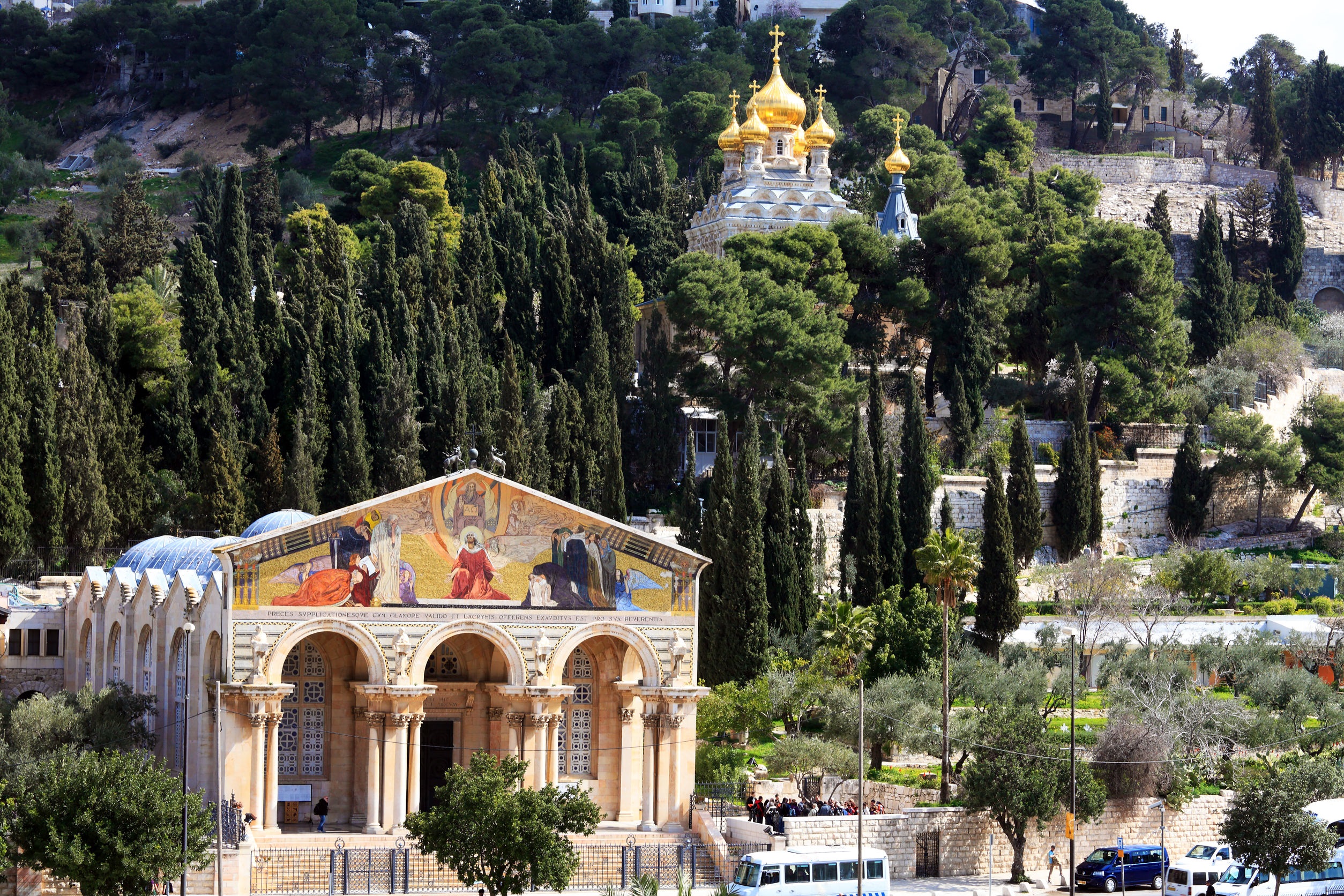
Jerusalem is typically the centerpiece of most itineraries due to its religious and historical importance. Visitors often explore the Western Wall, the Church of the Holy Sepulchre, the Via Dolorosa, Mount Zion, and Yad Vashem.
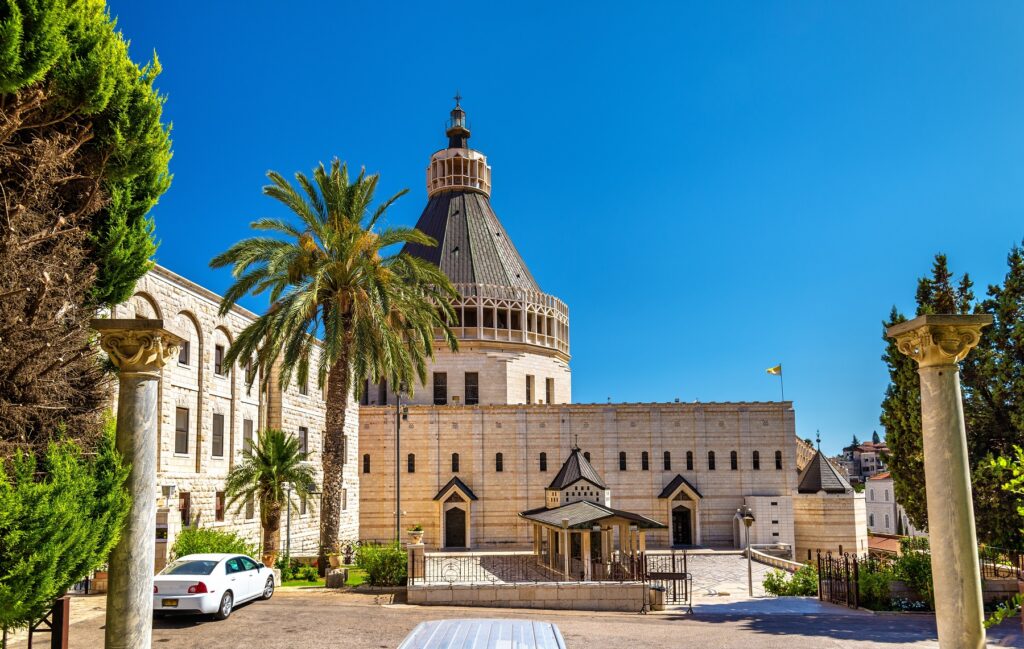
Northern Israel introduces a very different landscape. Galilee is greener, quieter, and more rural than Jerusalem or Tel Aviv. Christian-focused itineraries frequently include Nazareth, Capernaum, Tabgha, and the Sea of Galilee, while broader cultural tours may also visit Acre, Haifa, or the Golan Heights.
Southern routes often include Masada and the Dead Sea. Masada’s desert fortress reflects the final chapter of the First Jewish Revolt against Rome, while the Dead Sea offers a unique geological experience at the lowest exposed point on Earth.
Travelers researching longer itineraries often compare routes such as the Highlights Tour of Israel or the Heritage of the Holyland Tour to determine which destinations best align with their interests.
Some itineraries like the Highlights & Jordan tour also incorporate neighboring Jordan, including Petra, which can add another dimension to a regional Holy Land journey.
Is Independent Travel in Israel Difficult for First-Time Travelers?
Independent travel in Israel is certainly possible, but first-time visitors often encounter logistical challenges that organized tours help avoid.
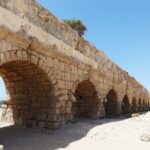
Public transportation functions well between major cities, especially along the Tel Aviv and Jerusalem corridor. However, reaching remote historical or religious sites can be more complicated. Attractions such as Masada, Ein Gedi, Caesarea, or the Jordan Valley may require multiple bus connections or long driving distances.
Another factor is the Israeli weekend schedule. Public transportation slows dramatically during Shabbat, beginning Friday afternoon and continuing into Saturday evening. Travelers unfamiliar with local timing may accidentally disrupt parts of their itinerary.
Driving independently also introduces additional considerations. Parking in Jerusalem and Tel Aviv can be very difficult and expensive, road signage occasionally changes between Hebrew, Arabic, and English, and navigating border crossings or checkpoints may be stressful for unfamiliar visitors.
Multi-day tours reduce these concerns significantly by centralizing transportation and scheduling under experienced local operators.
How Much Time Is Needed to Properly Experience Israel?
Most first-time visitors benefit from spending at least five to eight days exploring Israel.
A short stay of only two or three days usually forces travelers to focus almost exclusively on Jerusalem and Tel Aviv. While those cities are important, they do not fully represent the country’s geographic and cultural diversity.
Longer itineraries allow for a broader understanding of the region. A traveler moving from Tel Aviv’s Mediterranean coastline to Jerusalem’s stone alleyways, then onward to Galilee’s green hills and the desert landscapes near the Dead Sea, experiences dramatic contrasts within relatively short travel distances.
A multi-day format also reduces exhaustion. Day trips from a single hotel base can create long travel days with repeated return journeys. Multi-city touring distributes travel more naturally across the itinerary.
Are Multi-Day Tours More Cost Effective?
Multi-day tours are often more cost effective than many travelers initially expect, particularly when accommodation, transportation, entrance fees, and guiding services are considered together.
Israel is not generally considered a low-cost destination. Hotel rates, transportation, and dining can become expensive when booked independently at short notice. Travelers arranging everything separately may also encounter fluctuating seasonal pricing, especially during holidays and pilgrimage periods.
Organized tours typically benefit from negotiated hotel partnerships, group transportation efficiencies, and bundled attraction pricing. While premium tours certainly exist, many first-time visitors discover that a structured itinerary provides clearer overall budgeting.
Another important consideration is time efficiency. Travelers attempting to independently coordinate routes between Jerusalem, Galilee, Masada, and border areas may lose valuable sightseeing time due to navigation, ticket purchasing, or scheduling confusion.
What Type of Traveler Benefits Most From a Multi-Day Tour?
First-time visitors with limited travel time usually benefit the most from organized multi-day itineraries.
Religious travelers often appreciate the historical explanations and structured access to sacred sites. Christian visitors may particularly value guided context in locations such as Bethlehem, Nazareth, the Mount of Beatitudes, and the Jordan River region.
History-focused travelers also benefit from expert interpretation. Israel’s historical layers extend from biblical eras through Roman, Crusader, Ottoman, British Mandate, and modern Israeli history. Without guidance, many sites can appear visually similar despite vastly different historical significance.
Older travelers frequently prefer the comfort and predictability of organized touring, especially when visiting multiple regions in one trip. Transportation coordination, luggage handling, and hotel transitions become much easier within a structured itinerary.
Even younger travelers who typically prefer independent exploration often choose multi-day tours in Israel because of the country’s density of historical sites and the complexity of regional logistics.
Can Travelers Still Experience Authentic Israel on an Organized Tour?
Organized tours can provide meaningful and authentic experiences when itineraries balance structure with local interaction.
Israel’s authenticity is often found in everyday details rather than isolated tourist attractions. Markets such as Mahane Yehuda in Jerusalem, Druze villages in northern Israel, local cafés in Tel Aviv, and small restaurants near Galilee create memorable cultural encounters.
Well-designed itineraries usually include some free time within major cities, allowing travelers to explore independently while still benefiting from organized transportation and guiding.
Food also plays a major role in understanding Israeli society. Multi-day tours expose visitors to a mix of Jewish, Arab, Mediterranean, and Middle Eastern culinary traditions that vary significantly between regions.
Another important aspect is exposure to local perspectives. Professional guides often provide insight into contemporary Israeli society, religion, politics, and cultural diversity that cannot easily be understood through independent sightseeing alone.
What Should First-Time Visitors Look for When Choosing a Tour?
First-time travelers should evaluate itinerary balance, hotel locations, group size, and included destinations before selecting a tour.
An overloaded schedule may attempt to cover too many locations in too little time, reducing the depth of the experience. Conversely, overly narrow itineraries may miss key regions entirely.
Travelers should also consider whether the itinerary aligns with personal interests. Some tours focus heavily on Christian pilgrimage sites, while others emphasize archaeology, modern Israeli culture, or broader regional exploration.
Hotel positioning matters as well. Staying inside or near central areas of Jerusalem or Tel Aviv allows easier evening exploration after scheduled touring hours.
Finally, reputable operators with long-standing local experience often provide smoother logistics and more knowledgeable guiding services. Established providers such as Gray Line Israel generally maintain structured operations that are especially valuable for first-time visitors unfamiliar with the region.
Conclusion
A multi day tour in Israel is often highly worthwhile for first-time visitors because it combines efficient logistics, historical context, and broad geographic coverage within a relatively short timeframe.
Israel contains an exceptional concentration of historical, religious, and cultural landmarks spread across several distinct regions. Coordinating transportation, accommodations, and daily planning independently can become complicated, especially for travelers unfamiliar with local geography and schedules.
Organized touring allows visitors to experience Jerusalem, Galilee, the Dead Sea, Tel Aviv, and other major destinations in a structured and informed way. Beyond convenience, guided itineraries also provide historical interpretation and cultural insight that deepen the overall experience.
For travelers seeking an efficient introduction to Israel’s landscapes, history, and religious significance, a professionally organized multi-day itinerary remains one of the most practical and comprehensive approaches.
FAQ
Is a multi-day tour in Israel suitable for older travelers?
Yes, many multi-day tours in Israel are designed with comfort and accessibility in mind. Organized transportation, coordinated hotel stays, and guided scheduling reduce physical strain and logistical stress. Travelers should still review walking and their own mobility requirements carefully, especially for Jerusalem’s uneven stone streets and archaeological sites.
How many days are ideal for a first trip to Israel?
Most first-time visitors benefit from spending at least five to eight days in Israel. This timeframe allows travelers to experience Jerusalem, Tel Aviv, Galilee, and the Dead Sea without rushing excessively between destinations. Longer stays also provide more flexibility for cultural exploration and slower-paced sightseeing.
Are guided tours in Israel only focused on religion?
No, many tours include historical, cultural, culinary, and geographic experiences alongside religious landmarks. Israel’s modern cities, archaeological sites, desert landscapes, and Mediterranean coastline all contribute to broader touring experiences. Some itineraries focus heavily on religion, while others take a more balanced cultural approach.
Is it better to stay in one city or travel across Israel?
Traveling across multiple regions generally provides a more complete understanding of Israel. Jerusalem, Tel Aviv, Galilee, and the Dead Sea each offer very different landscapes, atmospheres, and historical contexts. Multi-day touring helps visitors experience these contrasts efficiently.