The chill of winter brings a distinct warmth to the bustling cities of Tel Aviv and Jerusalem, primarily found in the rich, deep heart of their celebrated coffee culture. For many visitors, Israel is defined by its sun-drenched beaches and ancient historical sites. Yet, the colder months reveal a more intimate, cozy, and deeply social side of Israeli life centered around the local café scene. This tradition is not merely about a caffeine fix; it is a blend of European elegance, Middle Eastern intensity, and unique local innovation that makes it a fascinating element of the Israeli experience. I was there in December. Believe me, it was fun and cozy.
What Makes Israeli Coffee Culture Unique?
Israeli coffee culture is a dynamic reflection of the country’s immigrant history, an authentic synthesis of East and West. European immigrants brought the concept of the leisurely café, a hub for intellectual and political discussion, often accompanied by fine pastries. This contrasts sharply with the Middle Eastern influence, which introduced the potent, often cardamom-spiced, Turkish coffee (botz) traditionally brewed in a finjan.
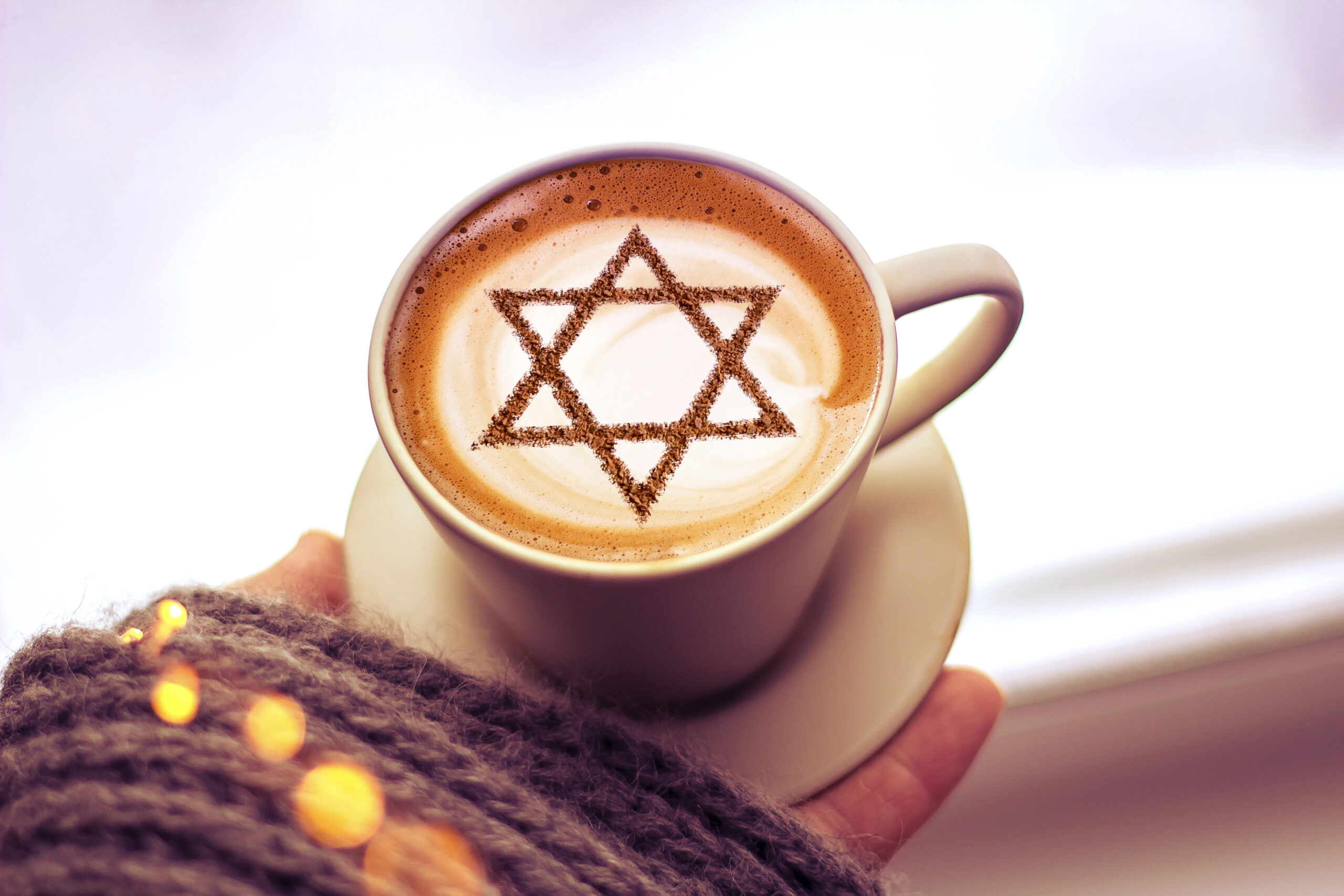
Today, these traditions coexist. Visitors will see locals sipping the intense, unfiltered botz alongside the ubiquitous café hafuch (literally “upside-down coffee”), which is the Israeli take on a cappuccino. This dedication to quality and atmosphere is what makes the Israeli café scene so significant, serving as the unofficial social glue of the nation. The strong presence of local chains like Aroma and thriving independent roasteries highlights a market that prioritizes local flavor and quality over imported brands.
Where Should Visitors Experience the Winter Coffee Scene in Tel Aviv?
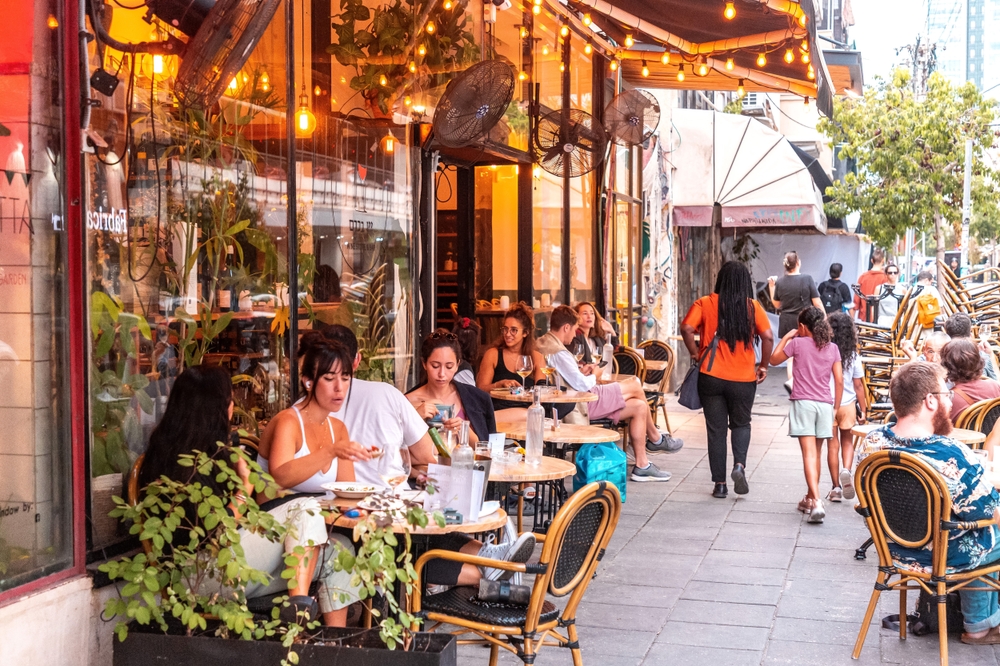
Tel Aviv, the White City, offers a vibrant, modern winter coffee culture characterized by sleek design, specialty roasters, and a constant, energetic hum. Even when the Mediterranean air is cool, the city’s cafes serve as warm, welcoming havens. Many of the city’s best spots are found tucked away in neighborhoods or anchoring popular boulevards, making the search for the perfect cup a delightful urban exploration.
Visitors who want to explore Tel Aviv beyond cafés can build the coffee stops into a wider guided city experience.
For those interested in the city’s culinary offerings, including its café traditions, it is convenient and engaging to join an organized experience. A great way to begin a visit to the city is with a focused group exploration, which offers an expert guide to navigate the bustling streets and ensure a safe and informative experience.
Top Cafés and Roasteries in Tel Aviv
The Tel Aviv café scene features numerous spots ideal for whiling away a winter afternoon. Cafes like Cafelix, an artisan small-batch coffee roaster, provide the ideal ambiance for those seeking high-quality, specialty coffee. Visitors appreciate its cozy, old-Tel Avivian setting. Another excellent option is CafeXoho, which is known for its warm, friendly atmosphere and comforting brunch options, perfect for warming up.
For a taste of the city’s lively urban pulse, spots like The Streets on King George Street are open around the clock, offering a quintessential Tel Aviv experience for coffee, food, and people-watching. The high concentration of excellent independent shops means that high-quality winter coffee culture is accessible throughout the city, offering a rich variety for every taste. Exploring the city’s unique blend of culture, history, and modernity is made easy through comprehensive tour packages, such as the one-day tours offered by Gray Line.
How Does Jerusalem’s Coffee Culture Differ from Tel Aviv’s?
The coffee culture in Jerusalem possesses a distinctly historical and intimate atmosphere, setting it apart from the coastal buzz of Tel Aviv. The Jerusalem winter can be significantly colder, and the cafes here reflect this with a cozier, more interior-focused design. While Tel Aviv leans into modernity, Jerusalem’s cafes often feel more rooted in history and neighborhood community, offering a warm refuge.
For travelers who want to explore Jerusalem between café stops, a guided route can connect local culture with the Old City, markets and historic neighborhoods.
The presence of the famous Mahane Yehuda Market (the Shuk) has also profoundly shaped Jerusalem’s scene. Here, the focus is intense and artisanal, with specialty roasters like Shuk Kaffe and Power CoffeeWorks drawing visitors in with the powerful aroma of freshly roasted beans. The market area is a must-see for a comprehensive understanding of Israeli urban life. This contrast between ancient surroundings and modern culinary excellence makes Jerusalem’s winter coffee culture uniquely compelling.
Essential Coffee Destinations in Jerusalem
In the capital, visitors find cafes that double as cultural landmarks. Tmol Shilshom, whose name means “yesteryear,” offers a renowned literary and nostalgic ambiance, making it a perfect spot for quiet reflection during a cold spell. Meanwhile, the renowned Kadosh Café Patisserie is famous across the city for its classic European pastries that perfectly complement a steaming café hafuch. This blending of old-world charm with excellent coffee is a hallmark of the city.
For a full experience of Jerusalem’s iconic sites and dynamic neighborhoods, travelers often find value in taking an organized Gray Line Israel tour. For example, the Gray Line Israel “Jerusalem Highlights – 1 Day Tour from Tel Aviv” provides expert-led access to the city’s most important sites, including the Old City and the Mount of Olives. While the tour focuses on historical and religious landmarks, it provides a comprehensive overview of the city that naturally leads visitors to explore the neighborhood cafes afterward. Visitors to Jerusalem seeking a deeper appreciation of the city’s history and modern flair can benefit from the structure and convenience of a fully planned trip.
What Local Drinks Define the Israeli Winter Coffee Experience?
While espresso-based drinks like the café hafuch are central to the Israeli coffee culture, the winter months bring out other unique and comforting local beverages. One essential experience is ordering Turkish coffee, often referred to locally as botz (“mud”). It is a strong, dark, unfiltered drink, usually served in a tiny cup, embodying the deep Middle Eastern influence. The process of slowly sipping this intensely flavored drink is a communal ritual, perfectly suited for lingering conversations.
Another favorite during the colder season is Sachlav (or Salep), a thick, warm, and creamy drink that is sweet, milky, and typically flavored with cinnamon, coconut, and crushed nuts. While not a coffee drink, it is a staple of Tel Aviv and Jerusalem’s winter street food and café scene, offering a comforting warmth that complements the strong coffee tradition. This drink exemplifies the country’s love for hot, sweet, and comforting street beverages.
Travel Tips for Experiencing Winter Coffee Culture
- Pace the Visit: Israelis view the café as a social living room. Visitors should feel welcome to linger over a single coffee or pastry, especially during the winter months when indoor seating is preferred. There is generally no pressure to rush or move on.
- Embrace the Language: When ordering a large cappuccino, ask for a café hafuch gadol (large “upside-down coffee”). For Turkish coffee, simply ask for botz or kafe turki (Turkish coffee). This brief interaction with the local language enhances the authentic coffee culture experience.
- Maximize Sightseeing with Tours: For first-time visitors who want to cover the key historical and cultural attractions in addition to the cafe scene, consider the logistical convenience and expert guidance of an organized tour. Gray Line Israel offers a variety of tours that provide safe and insightful ways to see major landmarks in both Jerusalem and Tel Aviv, leaving more time for leisure and enjoying the winter coffee culture.
- Look Beyond the Main Streets: While major streets like Rothschild Boulevard in Tel Aviv and Jaffa Street in Jerusalem host excellent cafes, the most charming and unique experiences are often found on quieter, side streets or tucked into local markets. Exploring these hidden gems provides a richer appreciation of the coffee tradition.
A Warm Welcome
The winter coffee culture in Tel Aviv and Jerusalem is much more than a collection of beverages; it is a vital part of the urban social fabric. It is where history meets modernity, European sophistication meets Middle Eastern intensity, and where travelers can find genuine warmth in the cooler climate. The dedication to quality, from the independent roasteries to the iconic cafes, ensures a memorable experience for any visitor. To seamlessly navigate the diverse historical and cultural offerings of the region and build the perfect framework for exploring the local cafe scene, travelers often rely on the expertise and convenience provided by operators like Gray Line Israel.